What is film for wrapping small bodywork elements?
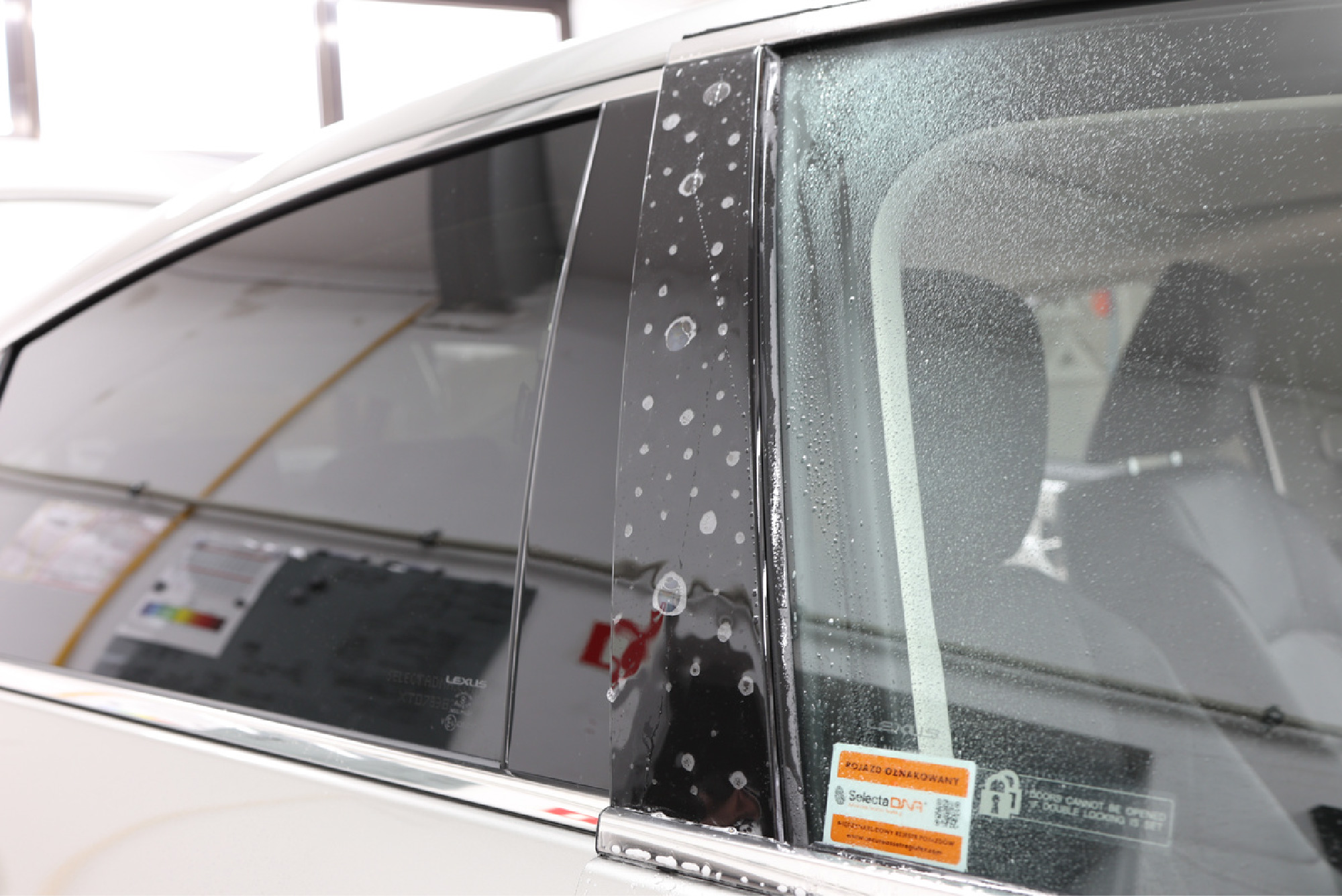
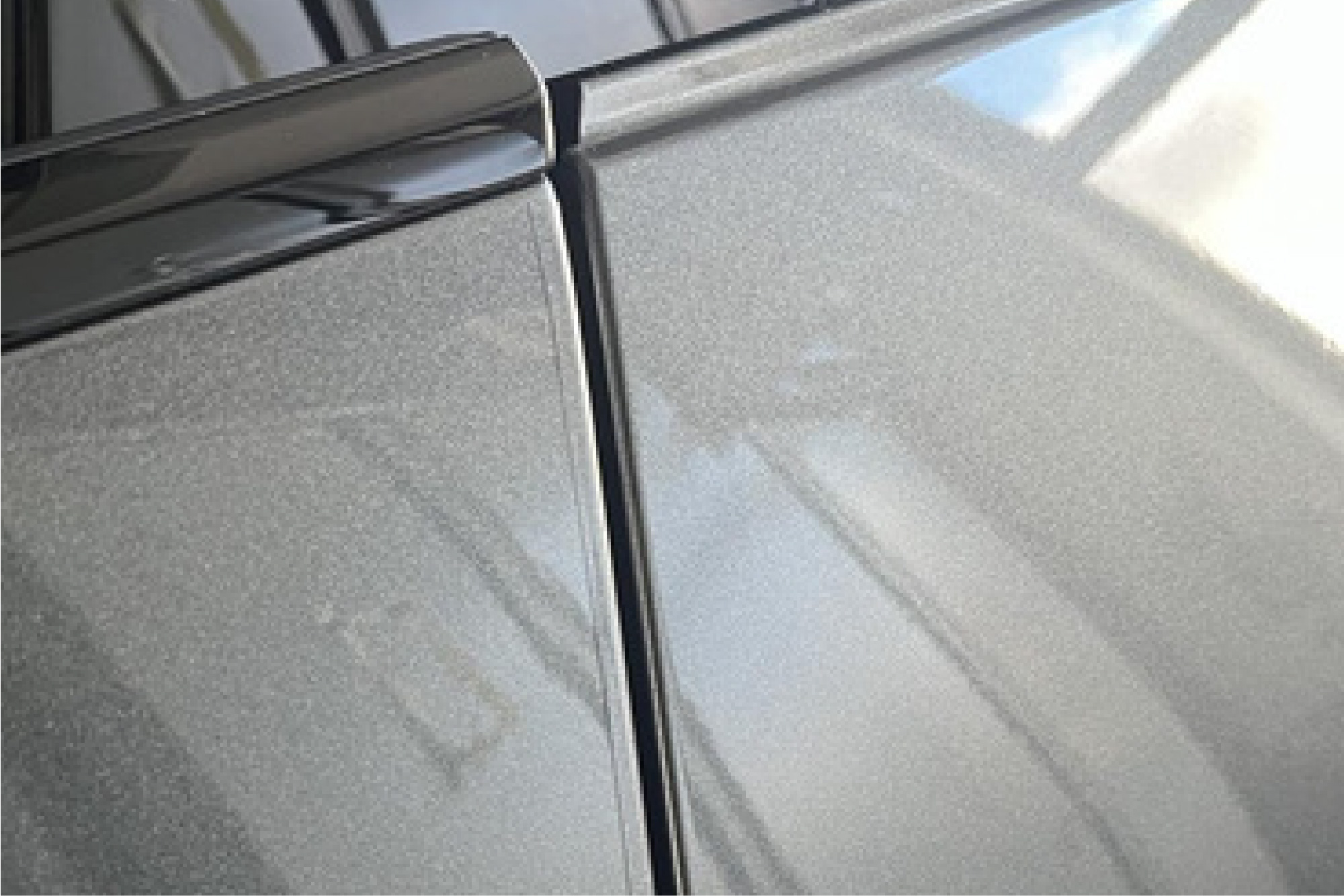
Wrapping small exterior elements with PPF protective film is an effective way to protect the most exposed parts of the bodywork. A thin, flexible, transparent polyurethane layer protects the car from damage and external factors, working perfectly where the paint is especially prone to scratches.
Which exterior elements are worth wrapping?
PPF protective film is ideal for protecting small but heavily used surfaces.
The most commonly wrapped areas are:
✨ Door handle cups - Protection against everyday wear marks caused by nails, keys, and frequent door opening.
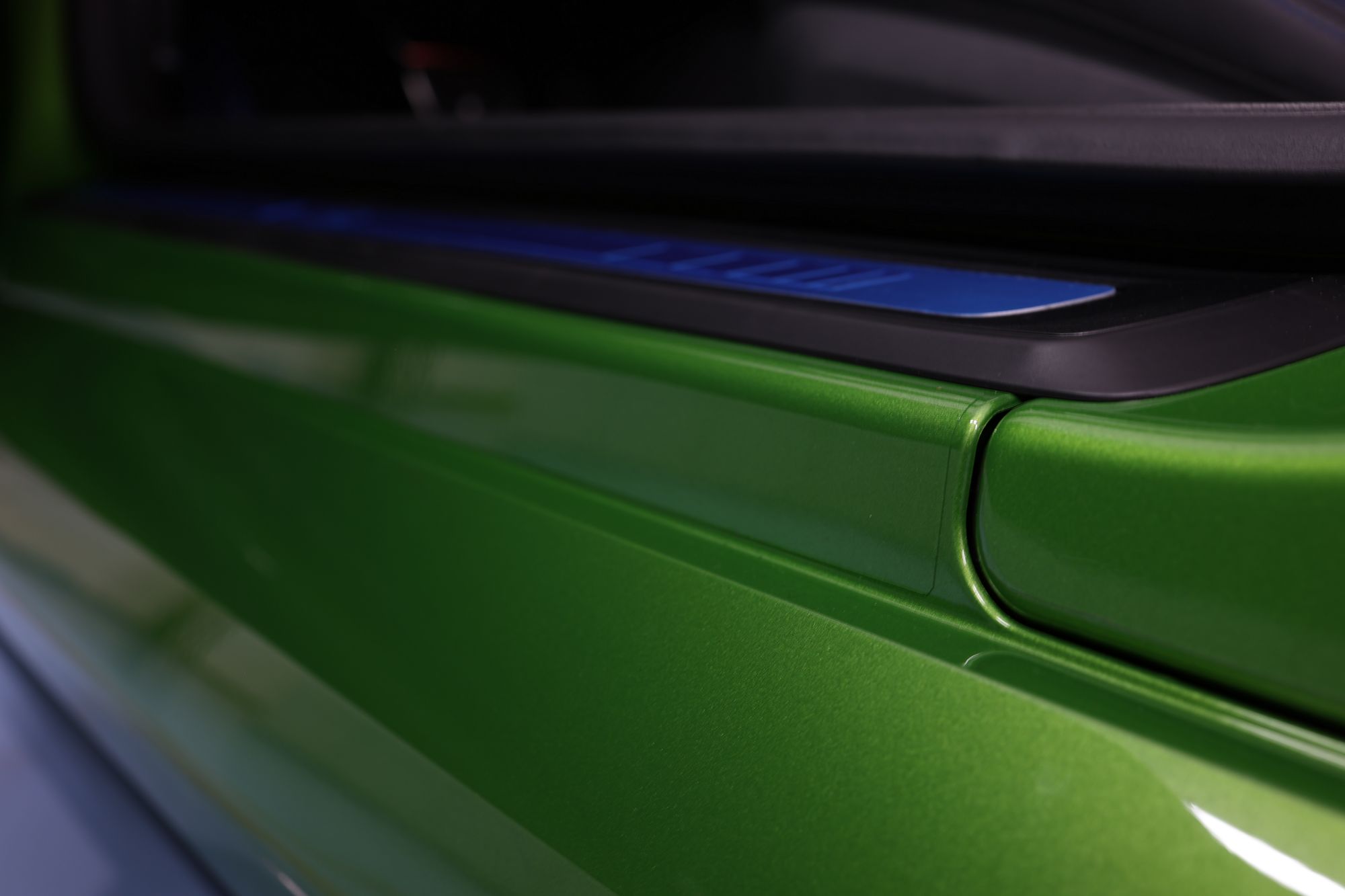
✨ Door entry sills and the trunk loading sill - Protection for areas exposed to damage when getting in/out and loading luggage.
✨ Door edges - Effective protection of edges against chips, scuffs, and mechanical damage.
✨ Front and rear lights - Protection of lenses against micro-damage, loss of clarity, and small stone impacts.
✨ Mirrors - Protection against minor impacts, scratches, and driving-related damage.
Why wrap small exterior elements?
Protecting small areas with PPF film is a sensible investment that has a real impact on the car’s appearance and durability.
Key benefits include:
✨ Protection against scratches, chips, and abrasion during loading/unloading
✨ Keeping critical areas looking like new
✨ Resistance to weather conditions and chemicals
✨ Safe film removal
✨ Higher resale value
Interior PPF wrapping
What is interior wrapping film?
Interior wrapping film—most often PPF is a thin, transparent polyurethane layer. Originally used mainly for paint protection, it’s now widely used inside vehicles as well. Interior films are extremely flexible and designed to protect delicate parts such as plastics, glass, and trim pieces.
Which interior parts are worth wrapping?
Interior wrapping with PPF works on almost any smooth surface.
The biggest benefits come from wrapping:
✨ Touchscreens and digital instrument clusters
✨ Piano black trims
✨ Plastic trim strips or surfaces imitating aluminum, carbon, or wood
✨ Center console
✨ Door panels
✨ Buttons and control elements
Piano black wrapping – effective protection for the most exposed parts
One of the most common PPF applications is piano black wrapping protection for glossy trim panels that look great but scratch very easily. The film almost completely eliminates this problem by protecting:
Why wrap the interior?
✨ center console panels
✨ decorative trim strips
✨ areas around the screen
The film helps preserve a rich gloss while maintaining their visual appeal.
Why wrap the interior?
Interior protection with PPF is an investment that pays back quickly. The main advantages are:
✨ Protection against scratches and wear
✨ Reduced smudges and fingerprints
✨ Keeping the interior looking elegant
✨ Lower susceptibility to dirt
✨ Safe removal without damage
✨ Higher resale value
Tint films for lights
Tinted lights give a car a more aggressive, modern look, which is why many drivers choose this type of modification.
However, it’s important to know that under regulations, a tint film for lights results in loss of homologation. This means driving on public roads with tinted headlights is illegal and may lead to a fine.
Even so, many drivers choose dedicated solutions such as PPF protective film for lamps, which improves appearance while also protecting the lens surface.
During wrapping, we use the pre-stretch method —heating and stretching the film so it fits curved lamp shapes. After application, the lamp film is heated again and only then trimmed precisely, which helps prevent edge lifting later on.